
Long-Distance Moving Checklist for Atlantic Canada: A Step-by-Step Guide

Moving to a new city is very different from moving across town. A long-distance move involves more planning, more logistics, and more decisions. Whether you are relocating from Moncton to Halifax, moving from New Brunswick to Nova Scotia, or heading to another province, preparation plays a major role in keeping everything organized.
Many people underestimate the amount of coordination involved in a long-distance relocation. Travel arrangements, utility transfers, packing timelines, address updates, and transportation logistics all need to come together at the right time.
This Long Distance Moving Checklist is designed to help Atlantic Canadian homeowners, renters, and families plan every stage of an interprovincial move. Whether you’re relocating from Moncton to Halifax or moving elsewhere in Atlantic Canada, following a structured timeline can help keep your relocation organized from start to finish.
Download the Printable Checklist
Planning a long-distance move? Download our printable Long Distance Moving Checklist for Atlantic Canada and keep track of important tasks from 8 weeks before moving day through arrival at your new home.
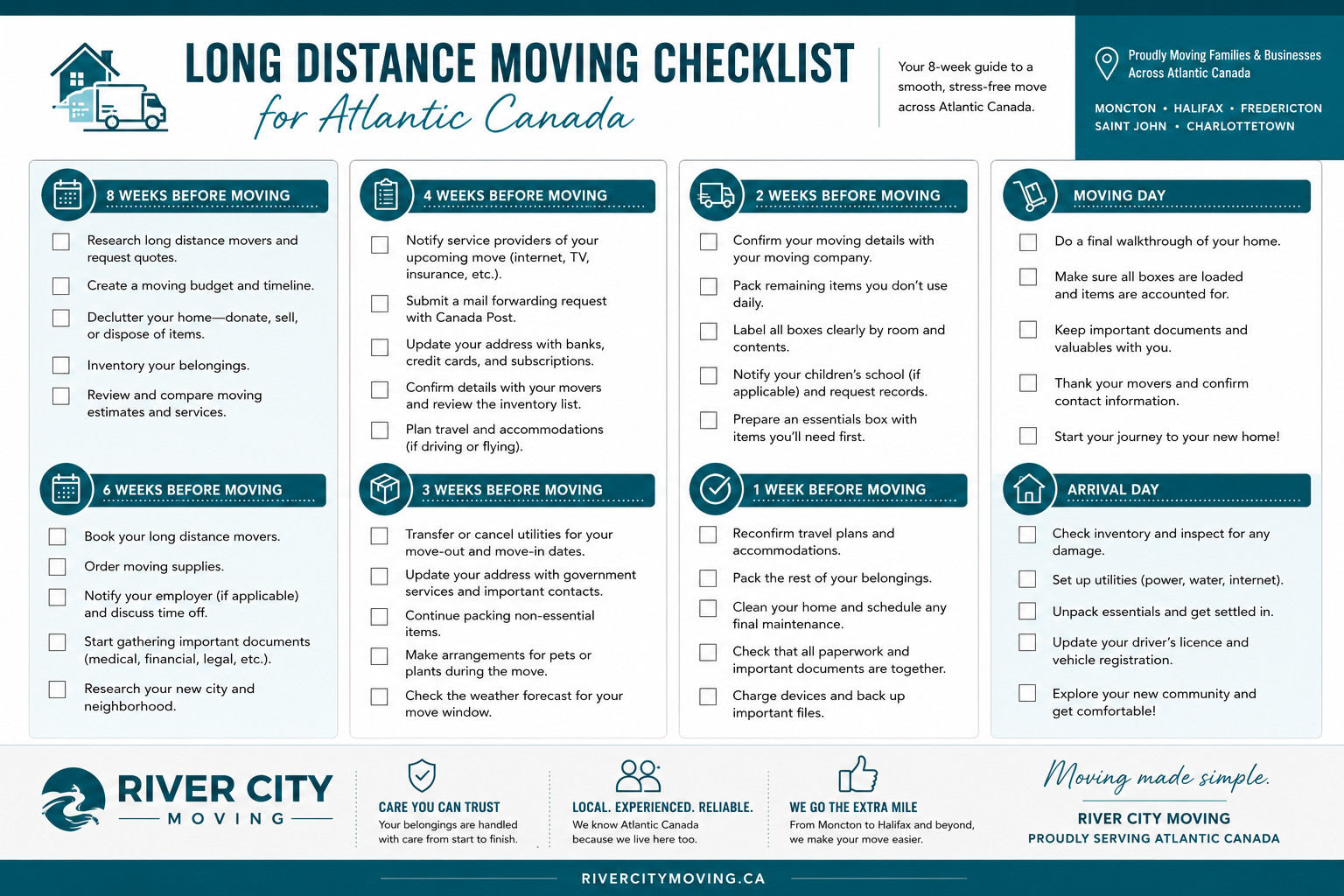
Table of Contents
Why a Long Distance Moving Checklist Matters
A local move can often be organized within a few weeks. A long-distance move typically requires additional preparation because transportation schedules, travel times, weather conditions, and delivery windows become much more important.
For example, a move between Moncton and Halifax involves approximately 260 kilometres of travel. While this route is relatively straightforward, proper planning is still necessary to coordinate loading, transportation, unloading, and access at both locations.
Long-distance relocations may also involve:
- Multi-day travel schedules
- Temporary storage needs
- Apartment elevator bookings
- Utility transfers
- Vehicle transportation
- School registration changes
- Healthcare provider updates
- Address changes across multiple organizations
Travel distance is only one part of the equation. Long-distance moves often involve different municipalities, building access requirements, parking regulations, and delivery considerations depending on where you are relocating. Understanding the characteristics of your destination community ahead of time can make planning easier and help avoid unexpected challenges on moving day. You can review our service areas to learn more about the communities we regularly serve throughout New Brunswick, Nova Scotia, and Prince Edward Island.
Starting early allows you to address these items gradually rather than trying to manage everything during the final week.
8 Weeks Before Moving
The first stage of planning should focus on organization and decision-making.
Create Your Moving Plan
Begin by establishing your target moving date and creating a master moving folder.
Keep records of:
- Moving estimates
- Receipts
- Lease agreements
- Utility information
- Travel arrangements
- Important contact numbers
A simple spreadsheet or checklist can help track progress throughout the process.
Research Long-Distance Movers
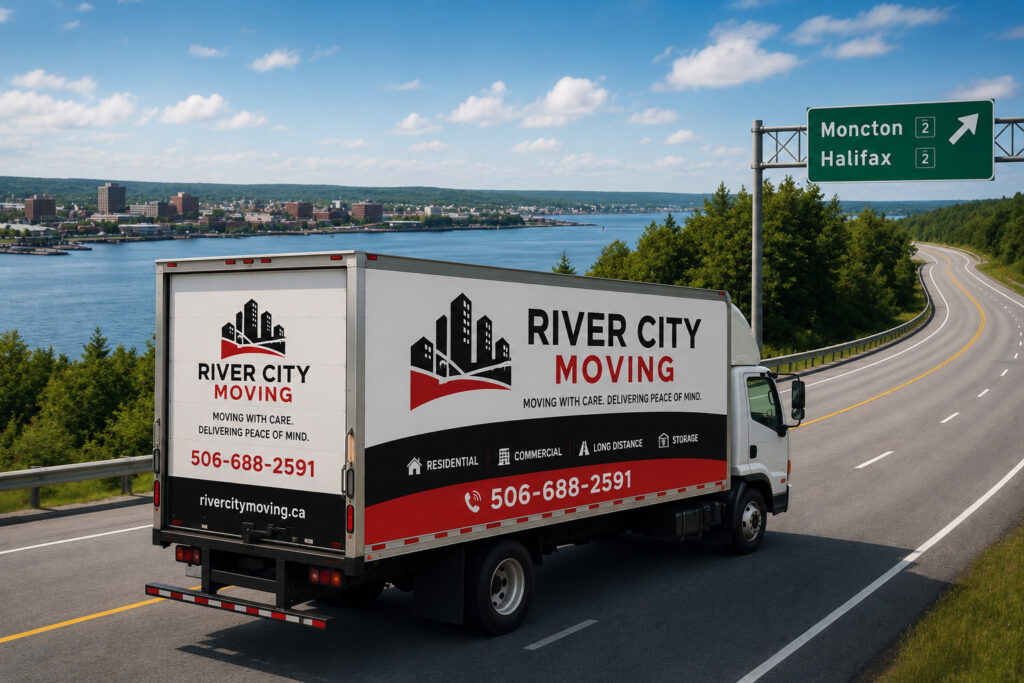
Long-distance moves involve more than transportation. Look for movers that are licensed, insured, and experienced with interprovincial relocations.
Long-distance relocations often begin with the same planning principles used for local household moves. Creating an inventory, organizing packing timelines, and coordinating access at both properties can help prevent delays and simplify the overall process. Homeowners and renters preparing for an upcoming move may also find it helpful to review our residential moving services for additional planning tips and moving resources.
Questions to ask include:
- What services are included?
- Is storage available if needed?
- Are packing services offered?
- What delivery windows should be expected?
- How are fragile items protected?
For families relocating within Atlantic Canada, choosing movers familiar with routes between Moncton, Halifax, Fredericton, Saint John, and Charlottetown can simplify coordination.
Create a Moving Budget
Many people focus only on transportation costs and overlook additional expenses.
Your budget may include:
- Moving services
- Packing materials
- Storage fees
- Travel costs
- Hotel stays
- Fuel
- Utility connection fees
- Cleaning costs
Planning these expenses early helps avoid unexpected costs later.
6 Weeks Before Moving
At this stage, your focus should shift toward reducing clutter and organizing belongings.
Begin Downsizing
The fewer items you move, the simpler the relocation becomes.
Review each room and decide what should be:
- Kept
- Donated
- Sold
- Recycled
- Disposed of
This process is especially valuable for long-distance moves because transportation costs are often influenced by volume and weight.
Families relocating from larger homes often discover they can eliminate dozens of boxes simply by sorting possessions early.
Schedule Donations and Disposal
Many organizations in New Brunswick accept furniture, clothing, and household items.
If large amounts of unwanted furniture remain, arranging junk removal before moving day can reduce workload and transportation costs.
Inventory Valuable Items
Create a list of:
- Electronics
- Appliances
- Artwork
- Collectibles
- Important documents
Photographs can also help document condition prior to moving.
4 Weeks Before Moving
One month before moving day, the focus becomes logistics and administrative updates. This is also a good time to identify any scheduling gaps that could affect your move. If your closing date, lease start date, renovation schedule, or travel plans don’t align perfectly, arranging temporary storage in advance can help avoid last-minute complications. Having a storage plan in place early often provides more flexibility and keeps your move on schedule.
Gather Packing Supplies
You will likely need:
- Moving boxes
- Packing paper
- Bubble wrap
- Packing tape
- Permanent markers
- Mattress bags
- Furniture protection materials
Purchasing supplies gradually often prevents a last-minute rush.
Notify Service Providers
Begin updating organizations that require your new address.
Common updates include:
- Banks
- Insurance providers
- Credit card companies
- Government agencies
- Subscription services
- Employers
The earlier these changes are submitted, the less likely important mail will be missed. Canada Post offers a mail forwarding service that can help ensure important documents and correspondence continue to reach you after your move while address updates are being processed.
Arrange Utility Transfers
Schedule disconnection and activation dates for:
- Electricity
- Internet
- Water
- Natural gas
- Security systems
For moves between provinces, processing times may vary depending on service providers.
3 Weeks Before Moving

Packing should begin well before the final week.
Start With Non-Essential Items
Pack items that are not used regularly.
Examples include:
- Seasonal decorations
- Books
- Collectibles
- Guest room contents
- Off-season clothing
Label each box clearly with:
- Room destination
- Contents
- Fragile status
Detailed labels save significant time during unloading.
Plan Furniture Layouts
If possible, obtain floor plans for your new home.
Knowing where furniture will be placed can help streamline unloading and reduce unnecessary moving within the home.
2 Weeks Before Moving
The final preparations begin to take shape during this period.
Confirm All Moving Arrangements
Contact your moving company to verify:
- Moving date
- Arrival time
- Pickup location
- Delivery location
- Access instructions
- Contact information
Confirming details early helps avoid communication issues.
Arrange Travel Plans
If moving between Moncton and Halifax or other Atlantic Canadian destinations, consider:
- Travel routes
- Fuel stops
- Hotel accommodations
- Pet accommodations
- Weather forecasts
Winter travel conditions can affect schedules throughout New Brunswick and Nova Scotia.
Prepare Important Documents
Keep essential documents separate from packed boxes.
This may include:
- Identification
- Insurance records
- Medical documents
- Legal paperwork
- Banking information
- School records
Carry these items personally whenever possible.
1 Week Before Moving
The final week should focus on completion rather than major planning. As you finish packing, you may discover items that no longer make sense to bring to your new home. Furniture that won’t fit, outdated equipment, damaged household items, or belongings left behind during downsizing can quickly become a last-minute challenge. Scheduling removal before moving day can help reduce clutter, free up space, and simplify the final stages of your relocation.
Pack Remaining Items
Leave only daily essentials unpacked.
Create an essentials box containing:
- Toiletries
- Medications
- Chargers
- Basic tools
- Snacks
- Cleaning supplies
- Towels
- Bedding
This box should travel with you rather than on the moving truck.
Prepare Appliances
Disconnect and clean:
- Refrigerators
- Freezers
- Washers
- Dryers
Allow refrigerators and freezers to defrost fully before moving day.
Confirm Building Access
For apartment or condominium relocations, verify:
- Elevator reservations
- Parking permissions
- Loading areas
- Building access procedures
Downtown Moncton and Halifax buildings often require advance elevator bookings.
Moving Day Checklist
Moving day is about execution rather than planning.
Complete a Final Walkthrough
Before leaving, inspect:
- Closets
- Cabinets
- Storage areas
- Garage spaces
- Utility rooms
- Attics
- Basements
Many forgotten items are discovered during a final walkthrough.
Keep Essentials Accessible
Carry:
- Phones
- Wallets
- Keys
- Documents
- Medications
- Travel bags
Avoid packing these items onto the truck.
Review Inventory
Check that all labelled items are accounted for before departure.
This is especially useful for long-distance moves where unloading may occur many hours later.
Arrival Day Checklist
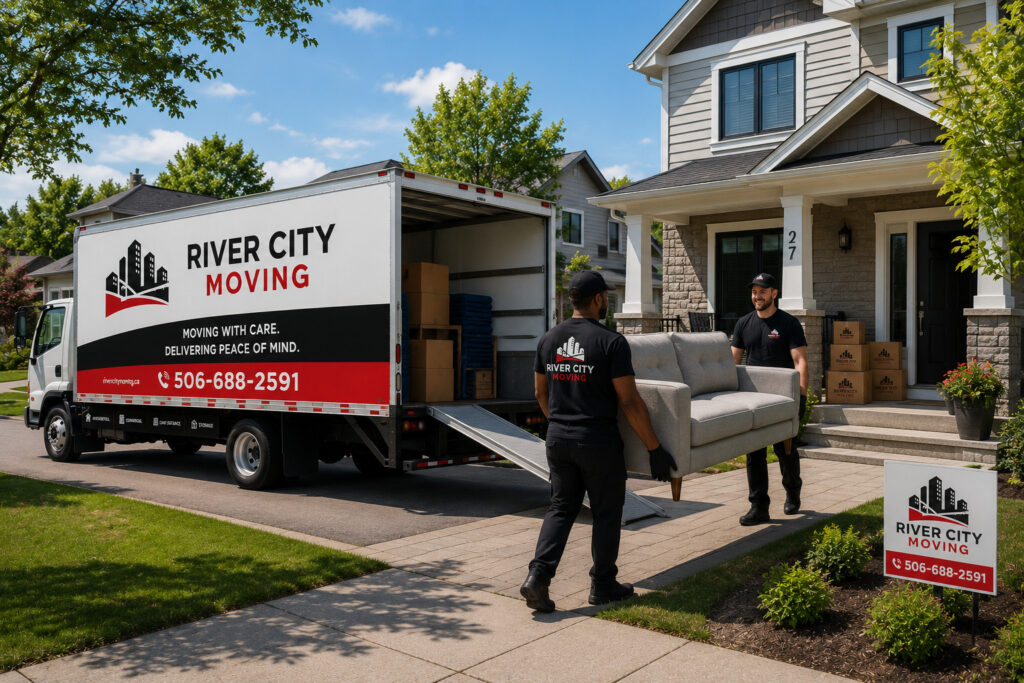
The first day in a new home should focus on functionality.
Inspect Deliveries
Review furniture and boxes as they arrive.
Look for:
- Damage
- Missing items
- Placement concerns
Address any questions immediately while movers are present.
Prioritize Key Rooms
Focus on:
- Bedrooms
- Bathrooms
- Kitchen
- Living spaces
Having these rooms functional first makes the transition easier.
Test Utilities
Verify:
- Electricity
- Water
- Heating
- Internet
- Appliances
Resolving issues early prevents unnecessary disruption.
Common Long-Distance Moving Mistakes
Many relocation problems stem from avoidable planning errors.
Waiting Too Long to Book Movers
Popular moving periods can fill quickly.
Summer months, university transitions, and month-end dates often experience higher demand throughout Atlantic Canada.
Underestimating Packing Time
Packing almost always takes longer than expected.
Starting several weeks early reduces pressure and improves organization.
Ignoring Weather Conditions
Atlantic Canada experiences significant weather variation throughout the year.
Winter storms, freezing rain, and seasonal travel conditions can influence moving schedules.
Moving Unnecessary Items
Transporting unwanted belongings increases costs and creates additional work after arrival.
Decluttering before moving remains one of the most effective ways to simplify a relocation.
Local Considerations for Atlantic Canada Moves
Moncton to Halifax Relocations
One of the most common long-distance routes in Atlantic Canada is the Moncton-to-Halifax corridor.
These moves typically require:
- Highway travel planning
- Building access coordination
- Parking considerations
- Delivery scheduling
Prince Edward Island Moves
Moves involving Charlottetown require planning around bridge travel and transportation timing.
Traffic patterns and seasonal tourism can influence travel schedules.
University Relocations
Many Atlantic Canadian moves occur around:
- September move-ins
- Graduation periods
- Student housing transitions
Booking early during these periods is strongly recommended.
Storage Demand
Temporary storage is often required when:
- Closing dates differ
- Lease dates overlap
- Renovations delay occupancy
In these situations, coordinated moving and storage services can simplify the transition.
Printable Long-Distance Moving Checklist
For convenience, consider creating a printable version of this checklist and keeping it with your moving documents.
A printed checklist can help track completed tasks and ensure important items are not overlooked during the final weeks before your move.
Frequently Asked Questions
How far in advance should I book a long-distance move?
Ideally, six to eight weeks before your moving date. Peak moving seasons may require even earlier booking.
What is the cheapest way to move across the country?
The lowest-cost option varies depending on volume, distance, and timing. Downsizing belongings before moving often provides the largest savings.
How much do cross-country movers cost?
Costs depend on distance, household size, services required, and scheduling. Obtaining detailed estimates is the best way to understand pricing.
Is a moving truck or professional movers better?
For larger households and long-distance relocations, professional movers often provide greater efficiency, protection, and convenience.
Should I pack my own belongings?
Many people choose a combination approach, packing standard household items themselves while leaving fragile or specialty items to professionals.
What should not go on a moving truck?
Important documents, medications, valuables, passports, and essential personal items should remain with you during the move.
Do I need storage during a long-distance move?
Not always, but temporary storage can be helpful when move-out and move-in dates do not align.
How early should I start packing?
Most households benefit from beginning the packing process at least three to four weeks before moving day.
What is the best season for a long-distance move?
Spring and fall often offer moderate weather and greater scheduling flexibility compared to peak summer periods.
How can I make a long-distance move more organized?
Using a structured timeline, inventory list, room labels, and detailed checklist can significantly improve organization.
Planning Your Move With Confidence
A successful long-distance move is usually the result of careful preparation rather than last-minute decisions. By following a structured timeline, organizing tasks early, and planning for travel and logistics, you can reduce complications and stay focused on settling into your new home.
Whether you are relocating from Moncton to Halifax, moving elsewhere within Atlantic Canada, or planning a larger interprovincial relocation, keeping a Long Distance Moving Checklist throughout the planning process can help you stay organized, track important deadlines, and reduce last-minute surprises.
To continue planning your relocation, explore residential moving services, storage options, service area information, and other moving resources available throughout the River City Moving website.
